

We live in an age of online convenience, where big-box music retailers bust out doorcrasher sales so you don’t have to brave Black Friday crowds, and folks flip their own vintage finds on Reverb and Facebook. So what’s the key to survival for a brick-and-mortar guitar store in 2026? Guitar World spoke to three very different stores to ask just that question and to understand what we can do as players to support these vital businesses.
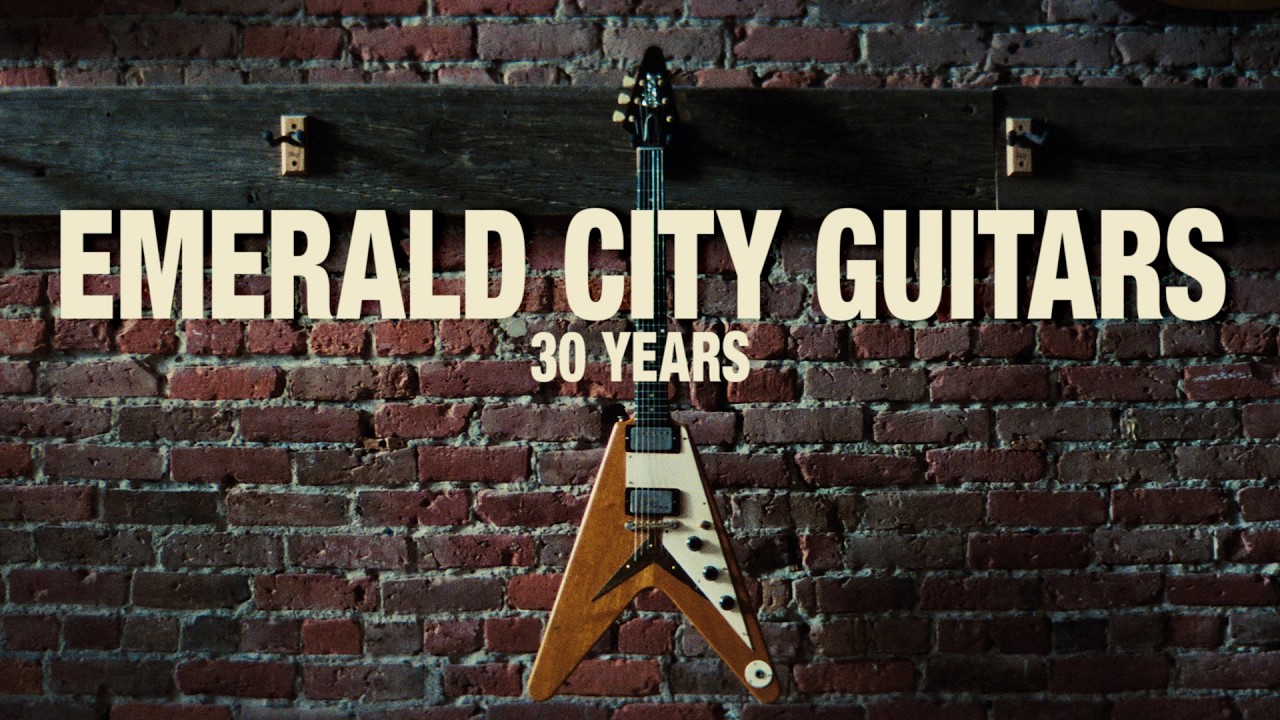
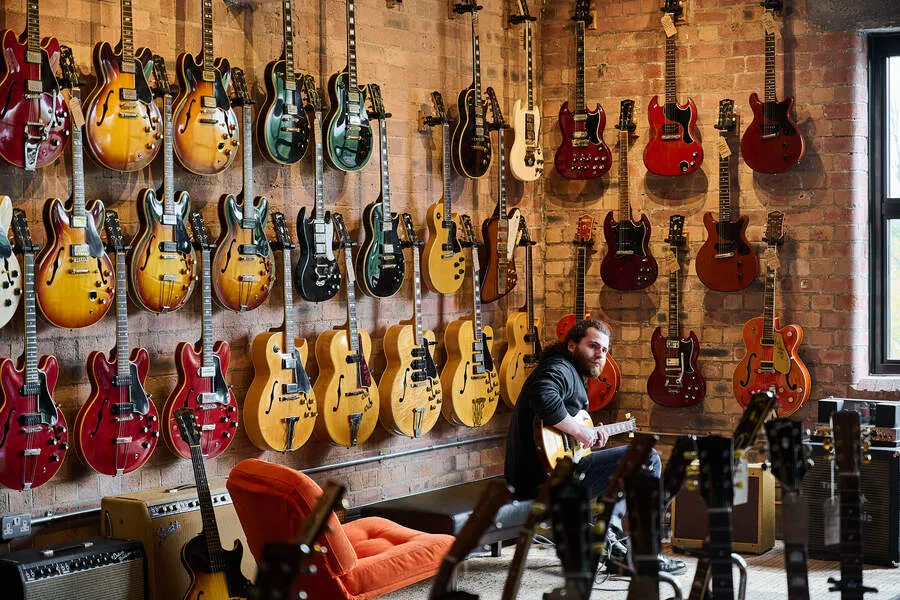
For Seattle, Washington’s Emerald City Guitars, it’s simple reasoning: you come for the hangs, the culture, and the chance to get hands-on with some cool-as-hell guitars. Since its founding in 1996, the family business has developed a reputation for stocking lust-worthy vintage pieces – vintage Gibsons sold to Pearl Jam’s Mike McCready, ‘60s-era Fenders in rare finishes, and other jaw-droppers that routinely cross the six-figure mark.
Co-owner Trevor Boone notes there are also new items in the store, including combos from Oregon amp-makers Benson and Roadhouse; but vintage is Emerald City’s specialty. Not everyone can come in and bag a $200,000 Strat, of course, but Boone welcomes anyone who wants to give the guitars a look and talk shop.
“We almost use it like a clubhouse – people buzz in to our living room,” he says. “What keeps us alive is these big vintage pieces, whether they’re sold in public or through our back channel – sourcing guitars for other guys. That’s what keeps the doors open. We also have a lot of the cool, second-tier funky stuff, like Harmonys.”
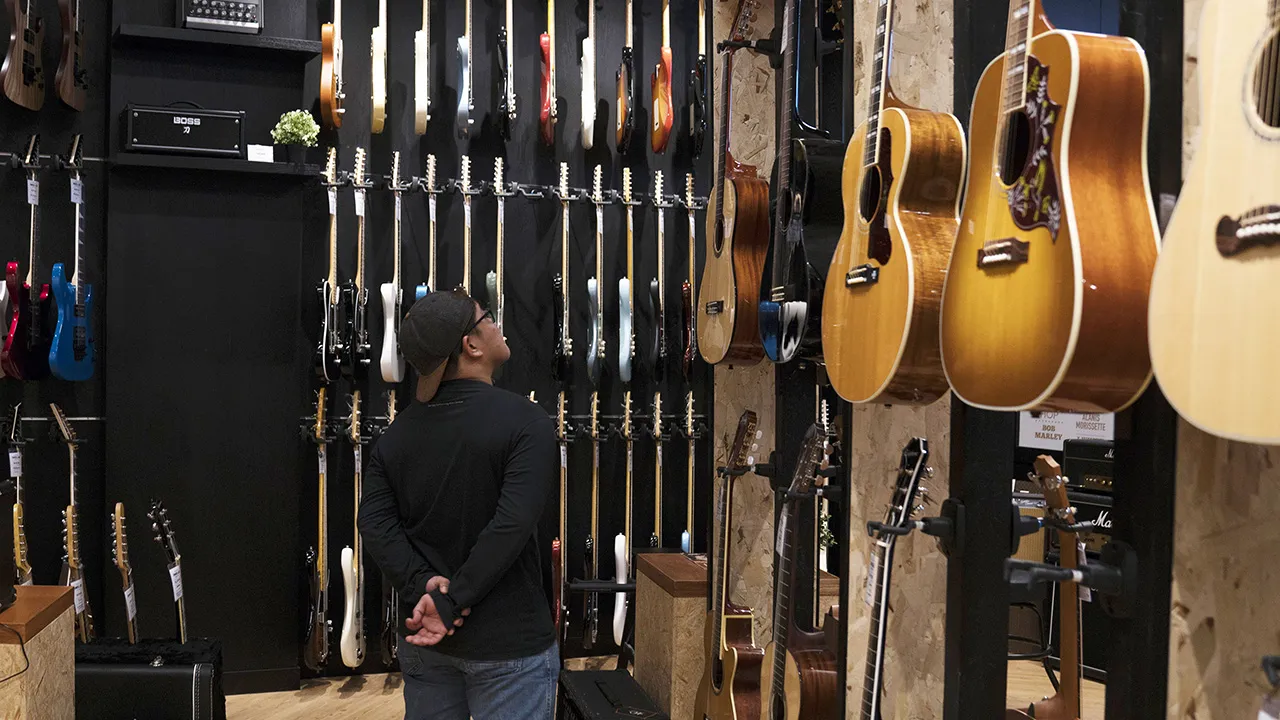
Founded in the mid-’50s, Long and McQuade is Canada’s largest musical instrument chain, and while it’s a different proposition to Emerald City, guitars are a major part of the company’s business model. The Vancouver store’s guitar boss, Stephen Fischer, says customers come in for starter Strat and Tele builds, but also for its connections to custom shops.
This summer, the store hosted a roadshow with the Fender team that brought fervent fans through its doors. Online retail is a big part of Long and McQuade’s larger business model – but Fischer talks up the social aspect of such events.
“It’s an advantage for people who are new to guitars,” he says. “If you know what you’re looking for – ‘I want a Les Paul with this spec and under this weight’ – you can go online and buy that.
“But if you have no idea what you’re looking for, it’s great to come in and try things, and to hear different perspectives from people who have been doing it for a long time.”
Events also provide an opportunity to educate customers and get them invested in guitar craft and culture. Once people are in the store, even if they don’t go home with a new instrument, they might stock up on accessories, which puts cash in the till.
Bassist Pamela Cole co-founded Fanny’s House of Music in Nashville in 2008. The full-service store sells vintage archtops, new Danelectros, and boutique accessories, and handles repairs and music lessons. There are also plans to build a separate school of music.
The emphasis is on making the act of making music comfortable for all – with a special focus on women, children, and beginners. Its large social media presence has directed countless musical tourists to the store, while its location in the busy Five Points area of East Nashville brings in plenty of curious customers.
Cole says the flipside of online promotion is that people who come through the doors often visit someone else’s site as a bargaining chip.
“They’re looking on their phone, checking to see what it is online,” she explains. “I do have to compete with Facebook Marketplace, Reverb and all those things. We do sell a little bit on Reverb, but mostly that’s for advertising and promotion for our store.”
Some nearby places sell rarer, high-price items; but Cole’s stock of used instruments – including ‘60s catalog items and vintage acoustics from local makers like Grammer Guitars – are intentionally sourced as more accessible pieces for fledgling and veteran players.
As a primarily used enterprise it can be hard to replenish stock, but Cole notes that guitarists looking to support businesses can help by selling their gear through consignment.
All three stores have an online retail component, and their connections with players through social media are priceless, but if you like brick-and-mortar locations, the best way to keep them going is to buy your guitars from a physical store.
“To not buy online, unless you absolutely have to, helps all of us independents,” Cole explains.
One thing all shopkeepers have in common is the aim that customers have memorable experiences in their stores, ones that keep them coming back, even if it’s picking up smaller items. Strings, tuners, picks, power supplies, capos all help keep the lights on: “We sell so many of those things every day,” comments Fischer.
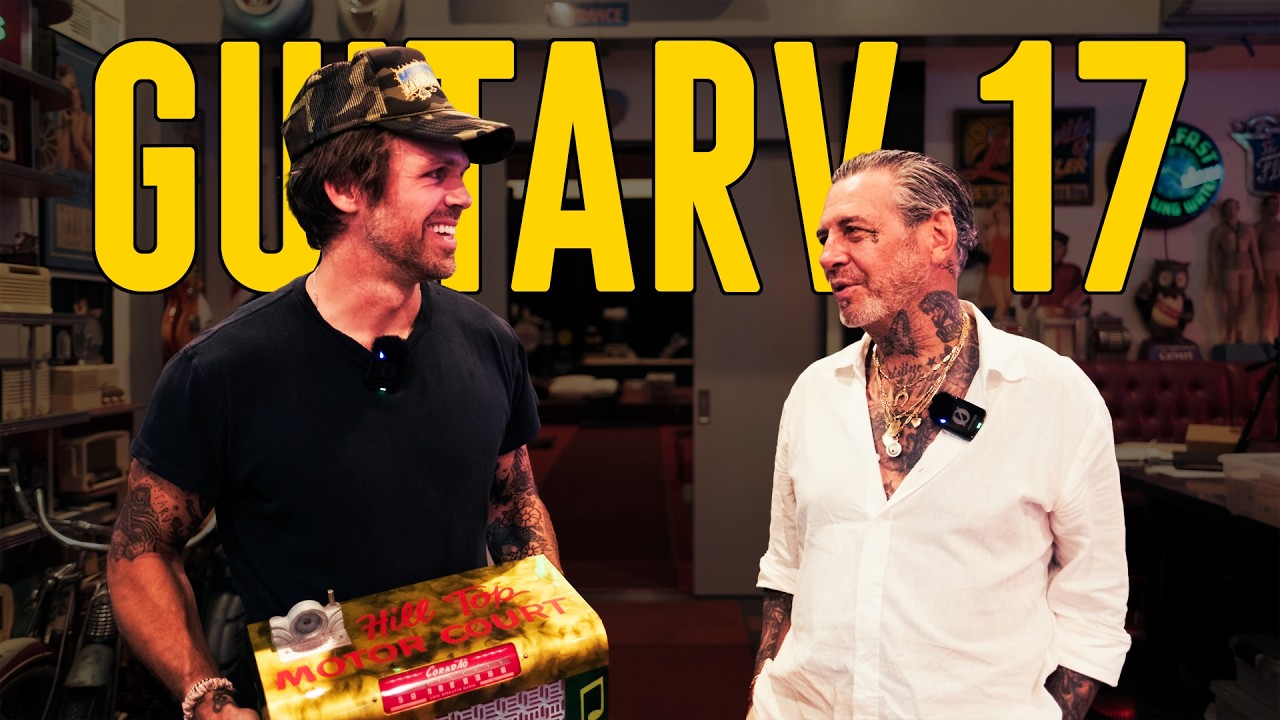
It’s not just about string sales, either. Emerald City fans may have seen Boone’s treasure hunting travel posts with the GuitaRV series on Instagram and YouTube. However, it’s not just about white whale vintage builds and self promotion. He’s also keeping an eye out for other used goods, each one a potential memento for someone walking through the doors of his store.
“I have a big rack of old single-stitched rock t-shirts. There’s old posters and free vintage records – there’s shit everywhere here!” he laughs. “A lot of people watch our videos and come in here. If you can’t afford a $20,000 guitar, that’s cool. But I want you to leave with a piece of this shop.”
- For more information, visit Emerald City Guitars, Long & McQuade and Fanny's House of Music – or better yet, go in-person...

