

The early ‘90s were revolutionary times for rock. The grunge asteroid all but wiped out hair-metal overnight. But the shockwaves were felt far and wide. Even the classic steel of the heavy metal old-guard were feeling the heat.
The big beasts of rock were facing what seemed like an extinction event. They would evolve or they would die.
In such a forbidding environment, Ronnie James Dio’s choice of guitarist was the smart one. Tracy Grijalva had the chops. He could write. But he also understood how this Seattle sound could translate in a Dio context.
In a soon-to-be-published interview with Guitar World, Grijalva, better known as Tracy G, reflects on his time with Dio – and insists that he wasn’t keeping up with the trends. It was just how he was wired.
“That’s just the way I play,” he says. “I’m influenced by many other players, but I always try to be myself and play what I feel.”
Tracy G auditioned twice for Dio before getting the gig. Dio was reshuffling the pack after his second exit from Black Sabbath. Musically, Dehumanizer was a success, but Sabbath lost money on it. The story goes that Dio took umbrage at the possibility of Sabbath supporting Ozzy Osbourne at his Costa Mesa shows.
“Ronnie was interested in finding a guitar player who could write for him,” he says. “I left the audition after that, and they ended up calling me back. I went back and played again, and then, Vinny [Appice, drummer] called me and said, ‘Ronnie wants you in the band.’”
Tracy G was in. So too was bassist Jeff Pilson of Dokken fame. Both would make their debut on 1993’s Strange Highways.
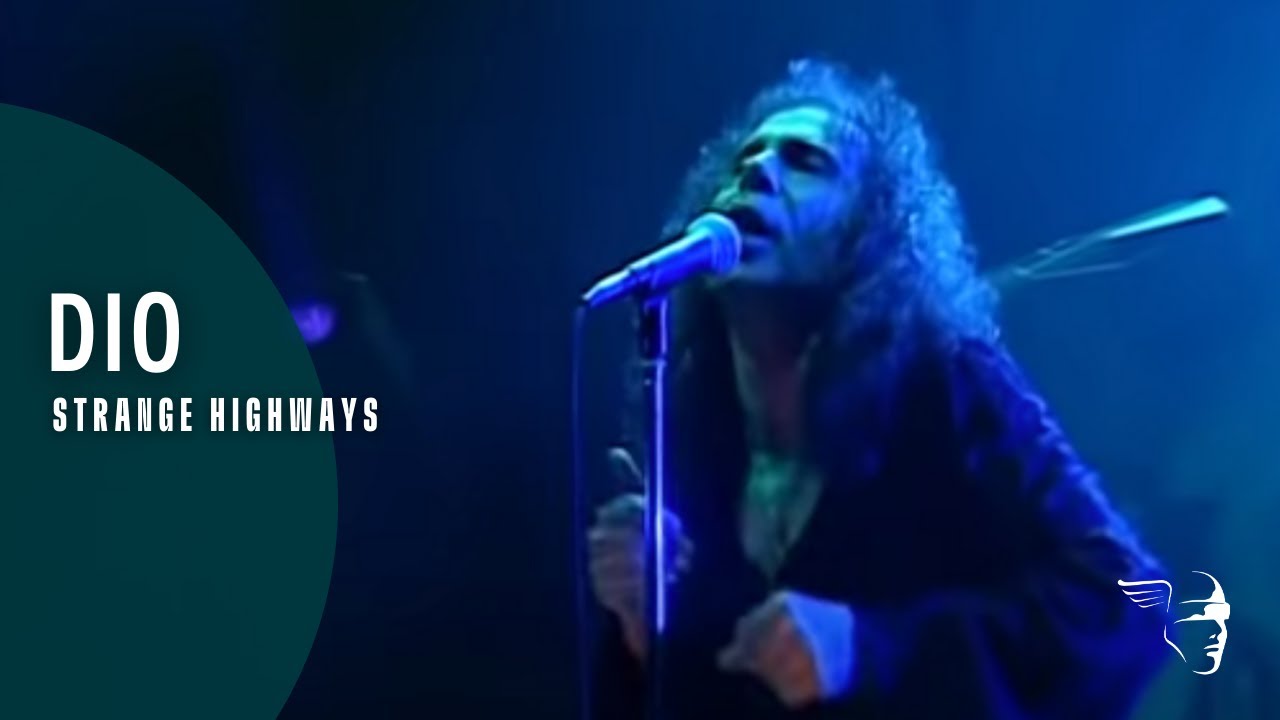
“The sessions for Strange Highways went good,” says Grijalva. “It took about six weeks to record that album and maybe eight weeks to record [1996’s] Angry Machines.”
It was all going so well until it wasn’t. Dio’s decision to bring back Craig Goldy on lead guitar spelled the end for Grijalva. Goldy had played on Dio’s ’87 classic Dream Evil. Grijalva believes Dio’s management and the label wanted Goldy. He didn’t take it personally. But it was a hard no. This was his time to leave.
“I was never at odds with Dio. The Christmas after I left, I called him at the office
“Well… I didn’t go for that,” he says. “I had played guitar and lead guitar for Ronnie for six years, and now he asked me to play rhythm. When I solo… that’s when and how I express myself. If you take that from me, then I’m out.”
Grijalva insists he wasn’t insulted. He knew this wasn’t Dio’s doing.
“I was never at odds with Dio,” he says. “The Christmas after I left, I called him at the office to wish him a Merry Christmas and left him a message. I never heard back from him again.”
The full interview with Tracy G will be published in the coming weeks.

