

Back in 2007, as part of its regular Dear Guitar Hero column, Guitar World asked readers to submit any burning questions they had for ageless blues guitar legend Buddy Guy. Guy, of course, had stories and wisdom aplenty...
What was the hardest part for you on the road to becoming such an accomplished guitar player? – Stephen Lang
The rhythm. When I first came to Chicago in 1957, they was making fun of me! The late Junior Wells used to say, “You can play, but you ain’t got no time.” And I was like, “What the hell is that?” So, [drummer] Fred Below and me would go play, just drums and guitar, and he told me, “Every time you hear me make this turnaround, that’s the end of a chorus.” And that's when I started learning rhythm.
What was it about those old blues players that gave their records such a warm, honest sound? – Todd Walker
I think it has to do with technology. What you hear on those old recordings is exactly what the artists were doing in the studio. Nothing was added to make my sound perfect; it was just a guitar, an amplifier, and a microphone.
Nowadays, you’ve got so many buttons to push in a recording studio, I wouldn’t know what to do with it.
When I play the blues, I find myself repeating too much. How did you learn to keep your licks and phrases different and interesting? – Tommy Lee Atkins
I think you just need to let someone listen to you. Something new is coming out each and every time you play, but you can’t hear it. I know that I couldn’t hear it in my own playing.
I used to throw my guitar in a corner and attempt to walk away from it. I’d be thinking, ‘You’ll never get it!’ I felt like I was at a stand still, that I wasn’t learning anymore. But every time someone else heard me, they could hear things in my playing that I couldn’t. Man, all you’ve gotta do is keep playing that guitar.

Of all the musicians you’ve heard over the years, who stands out in your mind as being underrated and under-appreciated? – Patrick Fischer
Earl Hooker. I tried to figure out slide guitar after I’d heard Elmore James play slide, but people kept tellin’ me to go hear Earl Hooker play. I said, “Who is that?” ’cause he didn’t have no records out. But one night I walked into a club and I heard this melody, like someone was singing. I said, “Who is that singing?” and someone said, “No-one. That's Hooker playing the slide.”
I had a slide in my pocket, and even before I got introduced to him, I just walked up and gave it to him.
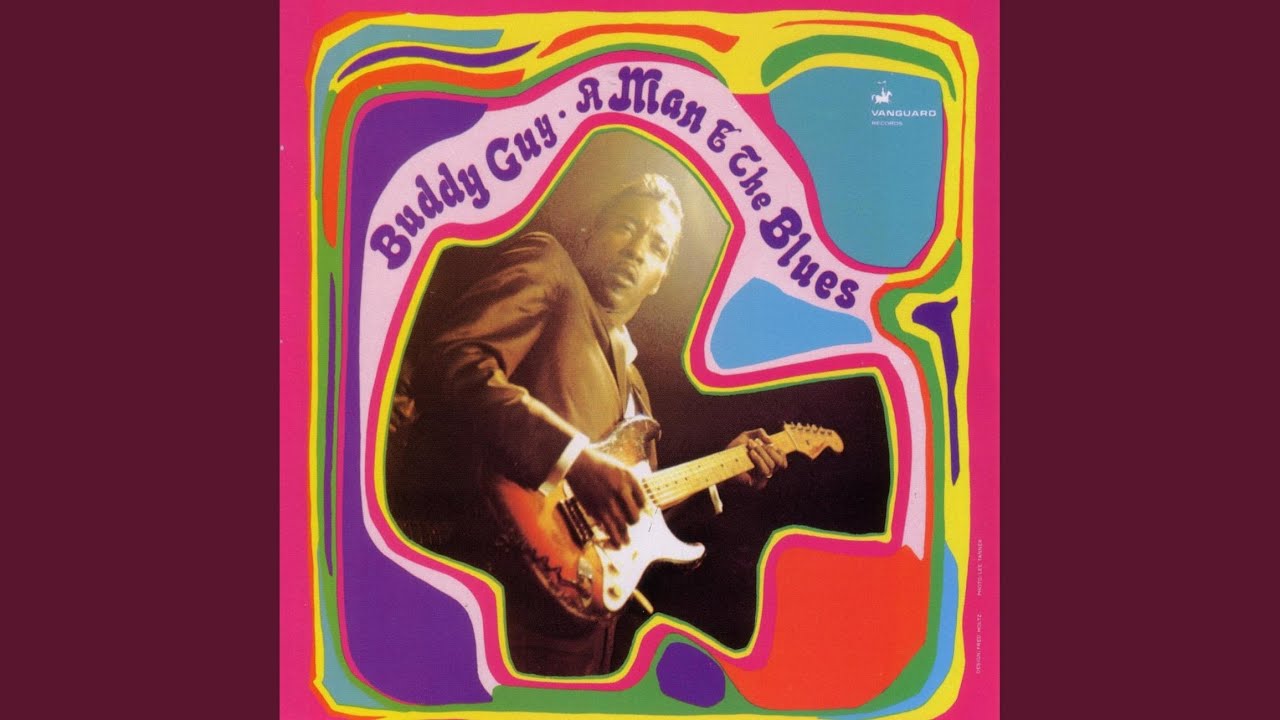
Buddy, some of my favorite albums of yours are the ones you made for Vanguard Records, like A Man and the Blues. How do you feel about that period in your career? – Rick Longley
My feeling was that Muddy Waters had made Chess Records a success, so where could I fit in? When I went to Vanguard, I was able to have some impact finally, because I had a little more freedom there. When the British guys started hearing my Vanguard recordings, they started cranking up, too.
Even so, I still had one hand tied behind me. Vanguard wanted that Muddy Waters kind of “real” blues, and they wouldn’t let me turn it up like I was doing when I played live.
What was the Chicago club scene like in the late Fifties and early Sixties? And what did audiences expect from their entertainers? – Janie Reagan
The audiences in the clubs were 99.9 percent black, and when you played for black audiences, you had to put on a show, just like Little Richard or James Brown did. It was a show when guys like that played, and that’s what people went to see.
The performers danced, and they wanted you to be into it. It wasn’t a Nat King Cole or Frank Sinatra type thing where you could stand there and stop people in their tracks and make ’em just listen to your voice. We had to make ’em look and say, ‘What is he doing?’

